
Seven Tests a Good Ad Blocker Must Pass
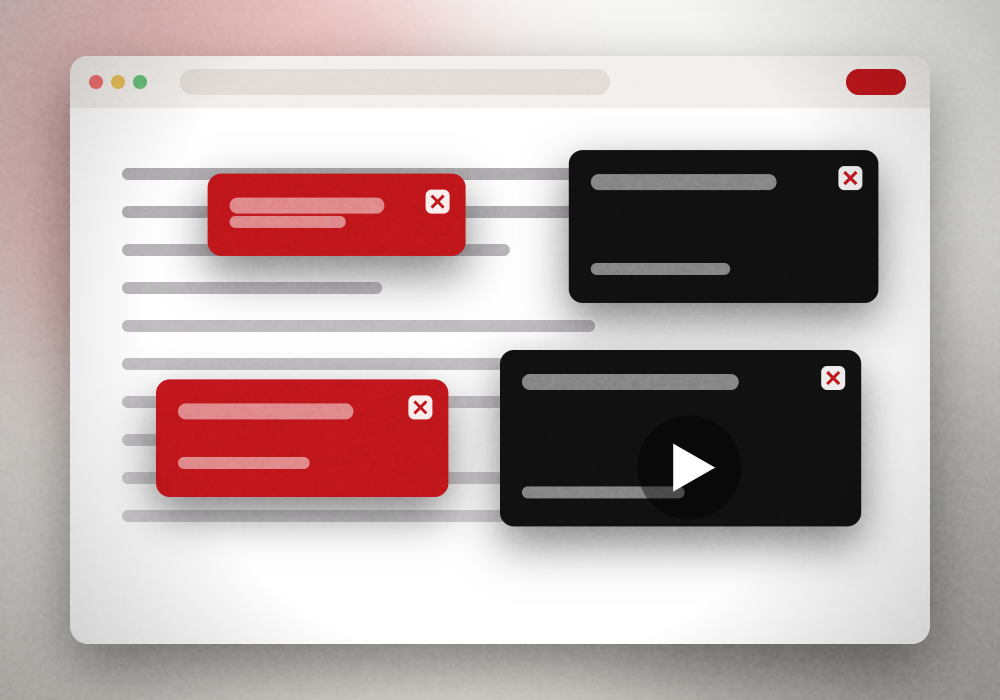
Now do the arithmetic. If that means eight taps and forty wasted seconds on each page, across thirty pages a day you are spending roughly twenty minutes negotiating with your own screen — enough time to cover a substantial part of a São Paulo metro journey, every day, pressing buttons marked X.
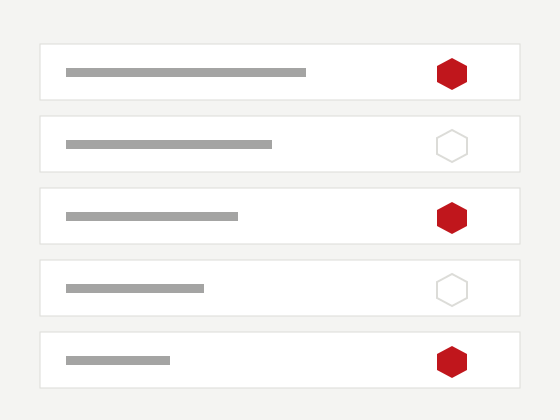
Since this is an experiment, establish the criteria first. Whichever blocker you consider, score it against these points:
-
Honest limits
Trustworthy providers explain where blocking may be weaker, including certain platforms and apps. Absolute promises deserve caution.
-
A visible business model
If everything is permanently free and there is no paid tier, find out how the provider earns money and handles your data.
-
Renewal pricing
Introductory offers are common. The later price, renewal notice, and cancellation process matter most.
-
Device coverage
You browse on your phone and computer; the provider should clearly identify supported devices and browsers.
-
Per-site control
You should be able to keep ads enabled on publishers and creators you want to support.
-
Declared data practices
Extension stores require privacy disclosures. Read them before installing.
-
Positive and negative reviews
A sales page presents the best case; store reviews reveal a broader range of experiences.